Floral Valentine's Day Backgrounds: A Designer's Guide to Romantic Florals
There's a certain challenge that comes with designing for Valentine's Day. The market is saturated with predictable hearts and generic pink palettes, making it difficult to create something that feels both fresh and genuinely romantic. This is where thoughtful design assets become invaluable. A well-curated set of Floral Valentine's Day Backgrounds offers a sophisticated solution, moving beyond clichés to capture the authentic beauty and emotion of the holiday. These aren't just decorative patterns; they are foundational elements that can define the entire mood and professionalism of a project.
The Visual Language of Blossoming Love
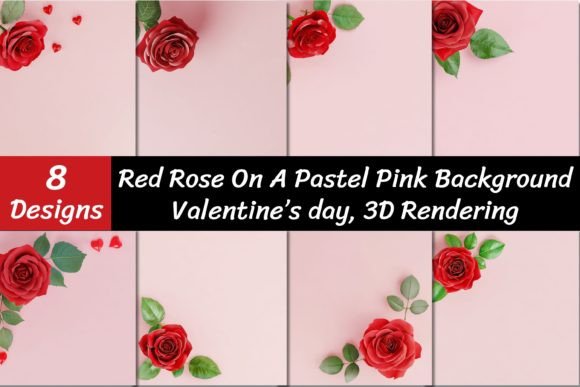
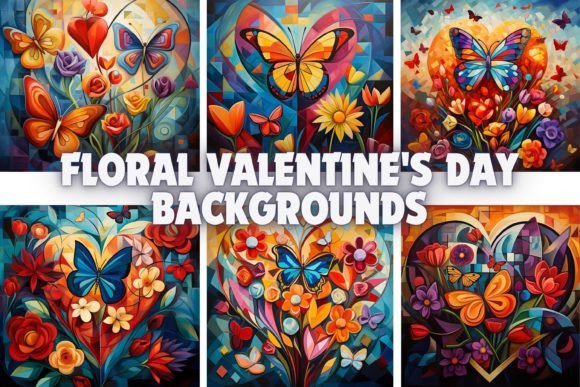
The true strength of these backgrounds lies in their visual personality. They communicate through the timeless language of flowers—soft, intricate, and deeply evocative. You're not looking at flat, cartoonish flowers. Instead, think of high-resolution imagery that captures the delicate texture of a rose petal, the subtle gradient on a peony, or the intricate veining of a leaf. This level of detail creates a sense of depth and luxury, allowing the backgrounds to function as more than just a backdrop; they become a central part of the narrative.
The style leans into classic romance but with a modern sensibility. The color palette typically revolves around muted blushes, creamy ivories, deep romantic reds, and soft sage greens. This allows for incredible versatility. A background with a dark, moody floral arrangement can lend a sense of drama and passion to a design, while a light, airy scatter of blossoms feels hopeful and tender. This range makes the collection a practical toolkit for conveying different shades of love and affection, from passionate romance to gentle friendship.
Practical Applications: Beyond the Valentine's Card
While the immediate application for Floral Valentine's Day Backgrounds might seem obvious for digital cards and social media graphics, their utility extends far deeper into professional and personal projects. For entrepreneurs and small business owners, these backgrounds are a secret weapon for seasonal branding. Imagine using a subtle floral pattern as the background for an email newsletter promoting a Valentine's sale, or as a textured overlay on product packaging for a limited-edition gift set. It instantly communicates care, quality, and a seasonal offering without a single word of sales copy.
For content creators and bloggers, the applications are equally powerful. These assets can transform a standard presentation into a visually cohesive and engaging experience. Use a single background slide to introduce a romantic theme, or employ a consistent floral element in the corner of each slide to create a branded deck for a wedding planning service or a lifestyle blog. In web design, a strategically placed floral background can elevate a hero section, creating an immediate emotional connection with visitors on a landing page for a florist, boutique, or event planner.
Key Project Ideas:
- Digital & Web: Website hero images, landing page backgrounds, blog post headers, email marketing templates, and social media profile banners or story templates.
- Print & Editorial: Magazine or booklet covers, menu designs for a romantic dinner, thank you card backgrounds, and elegant invitations.
- Presentation & Branding: Slide deck backgrounds, digital lookbooks, branded stationery mockups, and logo design accents for a feminine or romantic brand identity.
The key is to use them with intention. A busy floral background might overwhelm body text, but it can be perfect behind a bold headline or a product photo. This is where understanding visual hierarchy becomes crucial. The backgrounds provide the emotion and style; your design skills guide the viewer's eye to the important information.
Integrating Florals into Your Design Workflow
Adopting a new design asset effectively means thinking about how it fits with your existing toolkit. The most successful use of Floral Valentine's Day Backgrounds often involves thoughtful font pairing. Because the backgrounds are inherently detailed and expressive, they pair best with cleaner, more structured typefaces. A modern sans serif font for headlines can provide a beautiful contrast to the organic shapes of the florals, creating a balanced and readable layout. Alternatively, a classic serif font can enhance the timeless, elegant feel.
A script or handwritten font can be used sparingly for accents or quotes, but exercise caution—too much ornate typography on a detailed background can quickly become illegible. The principle is to let one element be the star. If the floral background is the main visual, the typography should support it, not compete with it. Always test your designs at the size they will be viewed. A background that looks stunning at full scale might become a distracting noise behind small body text. Consider using a semi-transparent color overlay or a subtle vignette to increase the legibility of text placed over the imagery.
Practical Selection and Use:
- Evaluate the Mood: Does your project call for bold romance or soft whimsy? Choose a background whose color and composition match the intended emotion.
- Test with Your Content: Before finalizing, place your actual text, logo, and images over the background. Does it enhance or distract? Adjust the layout as needed.
- Consider Licensing: Ensure the asset license covers your intended use, whether it's for personal projects, client work, or commercial products. This is a critical step for professional use.
- Explore Pairings: Experiment with different font combinations. Try a bold sans serif with a delicate script for a hierarchy that is both clear and romantic.
Ultimately, these backgrounds are a versatile component in a designer's library. They offer a shortcut to creating high-end, emotionally resonant designs that stand out in a crowded digital landscape. By moving beyond seasonal clichés and embracing the natural elegance of florals, you can infuse your work with a level of sophistication and genuine beauty that resonates deeply with your audience. They are not just for Valentine's Day; they are a celebration of beauty, love, and the power of thoughtful design to tell a story.