Revive the Rebellious Spirit with Retro Punk Backgrounds
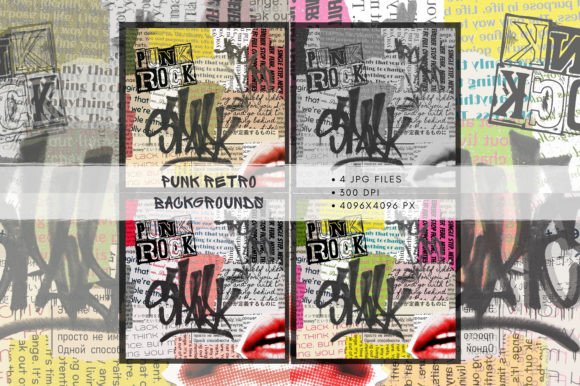
There's a certain energy that modern, overly-polished design sometimes lacks. It's the raw, unapologetic edge of the 1970s and 80s punk movement—a visual language of rebellion, DIY ethics, and fierce individualism. For designers and creators looking to inject that authentic, nostalgic rebellion into their work, our 'Retro Punk Background Illustrations' set provides a direct conduit. This isn't just a collection of images; it's a toolkit for building worlds with attitude. Featuring four high-resolution graphics, each meticulously crafted at 300 DPI in JPG format and sized at a massive 4096x4096 pixels, these assets are built for impact. They offer a bold and edgy vibe that can transform a flat design into a statement piece, adding a layer of gritty texture and historical context that resonates with a generation that values authenticity.
The Visual DNA of Retro Punk: More Than Just Noise
Understanding what makes these backgrounds effective starts with dissecting their visual personality. Retro punk style is characterized by a deliberate clash of elements. You'll find distressed textures that mimic photocopied flyers and ripped posters, overlaid with aggressive, often hand-drawn typographic fragments. The color palette leans into high-contrast combinations—think stark black and white, accented with neon pinks, toxic yellows, or blood reds. The composition feels intentionally chaotic, rejecting the clean grids of contemporary design in favor of a more organic, zine-like layout. This aesthetic isn't about perfection; it's about expression. The grain, the scratches, the layered elements—they all contribute to a feeling of history and hands-on creation. This is the opposite of a sterile, corporate background; it's a design asset with a story.
The practical applications for such a distinct style are surprisingly broad, provided they are used with intention. Where does a Retro Punk Background truly shine? Consider projects where you need to make an immediate, memorable impression. In logo design and brand identity for music venues, independent record labels, skate shops, or alternative fashion brands, these backgrounds set an unmistakable tone. They communicate a brand's alignment with counter-culture, creativity, and non-conformity. For editorial design, they can powerfully frame articles about music history, underground art scenes, or cultural commentary. In packaging design for craft beers, artisanal hot sauces, or vinyl records, a retro punk texture adds tactile credibility and shelf appeal.
Integrating the Edge: From Digital Landscapes to Print Realities
The digital realm offers even more immediate opportunities. For web design, a subtle application of one of these backgrounds as a hero section texture can define a site's entire mood, particularly for bands, artists, or blogs with a rebellious focus. On social media graphics, they stop the scroll. A podcast episode cover, a YouTube thumbnail, or an Instagram story promoting an event gains instant visual hierarchy when anchored by a gritty, high-contrast punk backdrop. The key is using them as a foundation, not a distraction. They work best when paired with clean, bold typography—often a strong sans serif font for readability—to create a balanced contrast between the chaotic background and a clear message.
Beyond aesthetics, these backgrounds influence deeper design outcomes. They directly impact visual hierarchy, naturally pulling the eye toward the clean foreground elements you place upon them. They shape brand perception instantly, signaling a personality that is edgy, authentic, and perhaps a bit nostalgic. For audience engagement, they tap into powerful cultural memories, creating an immediate connection with viewers who recognize and appreciate the aesthetic. However, this strong personality requires careful evaluation. Always consider your project's fit. A retro punk illustration is a powerful creative font companion for a music festival poster but would be entirely inappropriate for a pediatric clinic's brochure. Testing is crucial. Mock up your design with the background to ensure your foreground text remains legible and your overall message isn't lost in the texture.
Practical Guidance for the Modern Rebel
When incorporating these design assets, think like a strategist, not just a decorator. First, evaluate the technical specifications. The 4096x4096 pixel resolution and 300 DPI make these JPGs suitable for both high-quality print and detailed digital work, ensuring your designs look sharp on everything from a business card to a banner. Next, consider your font pairing. The aggressive nature of the background demands a typeface that can hold its own. A heavy display font or a clean, geometric sans serif font often works best. Avoid delicate script fonts or highly detailed serif fonts that might get lost in the texture. The goal is contrast and clarity.
Finally, remember the licensing. While these are premium, high-quality assets, always confirm the usage rights align with your project, especially for commercial applications. Use them to build consistency across a campaign—perhaps using one background for all promotional materials of an album release, creating a unified and recognizable visual world. The true value of the 'Retro Punk Background Illustrations' set lies in their ability to provide an instant, authentic aesthetic foundation. They are a shortcut to creating a specific brand identity that feels lived-in and real, allowing you to channel the rebellious spirit of punk into your contemporary designs with professionalism and impact.