Soft Watercolor Paper Backgrounds: A Designer's Guide
Understanding the Appeal of Organic Textures
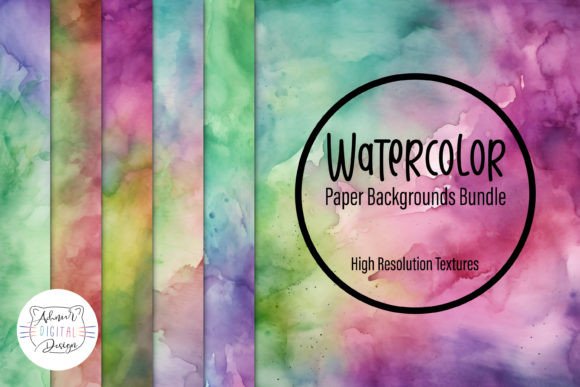
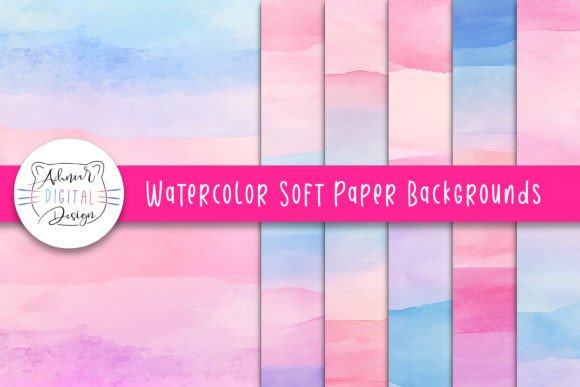
There is a distinct warmth that digital design can sometimes lack. When you work purely in vectors and flat colors, the final result can feel sterile or overly mechanical. This is where assets like Watercolor Soft Paper Backgrounds become essential tools in a creative’s arsenal. These aren't just random splotches of color; they are carefully crafted textures designed to mimic the subtle grain and pigment absorption of real watercolor paper. The visual characteristics are defined by soft edges, organic bleeding of color, and that recognizable fibrous texture that adds instant depth. Unlike harsh digital noise, these backgrounds offer a gentle, tactile quality that invites the viewer to look closer.
The personality of this specific collection is decidedly calm and artistic. It strikes a balance between being visually interesting and remaining unobtrusive. When you are working on a layout, the background is rarely the star of the show; it is the supporting actor. The Watercolor Soft Paper Backgrounds set excels here because the textures are very cleanly rendered. They provide a sophisticated canvas that enhances the foreground content without competing for attention. Whether you prefer a subtle pastel wash or a slightly more saturated hue, the aesthetic is consistent: modern, airy, and authentic. It moves away from the heavy, grunge-style textures of the past and embraces a lighter, more contemporary feel that fits well with current design trends.
Practical Applications for Branding and Marketing
For entrepreneurs and small business owners, maintaining a cohesive brand identity is critical. A visual brand is more than just a logo; it is the cumulative feeling a customer gets when interacting with your materials. Integrating these backgrounds into your workflow can significantly elevate your brand perception. Imagine using these textures behind your website hero text or as the base for your business cards. It adds a layer of craftsmanship that plain white or solid grey cannot achieve. It suggests that your brand values artistry and attention to detail. This is particularly effective for businesses in the lifestyle, wellness, wedding, or boutique retail sectors where the "human touch" is a selling point.
In terms of specific projects, the versatility of this design asset is impressive. Here are a few high-impact ways to use them:
- Social Media Graphics: On platforms like Instagram or Pinterest, visual clutter is a problem. A soft watercolor background provides a clean resting place for your typography, making your quotes, announcements, or sale posts much more readable. It helps your content stand out in a fast-scrolling feed.
- Presentation Decks: Corporate presentations often suffer from being dull. Swapping a stark white background for a subtle watercolor texture can soften the delivery of data and make the viewing experience more pleasant for your audience.
- Packaging Design: If you are selling a physical product, the packaging is your first handshake with the customer. These backgrounds work beautifully for box inserts, hang tags, or wrapping paper patterns, lending a boutique, handmade feel to the unboxing experience.
- Editorial Design: For bloggers and publishers, these textures are perfect for creating featured images that look distinct from stock photography. They also work well as "chapter breaks" in e-books or digital guides.
When considering web design, it is important to handle textures with care to ensure fast load times. Since the files are provided in high-quality JPEG format, you will likely want to optimize them slightly for the web. However, because the resolution is 300 DPI, you have plenty of data to work with, ensuring that the image remains crisp even on large monitors. The key is to use the background to frame your content, perhaps using a semi-transparent overlay to ensure that body text remains legible.
Technical Specifications and File Management
Receiving a zipped file containing multiple variations is standard for premium design assets, and this package is no exception. You will receive one zipped file containing six distinct graphic elements. Having six options gives you creative flexibility. You aren't locked into a single color palette; you can choose the background that best matches the specific mood of a particular campaign or season. Because they are provided in JPEG format, they are universally compatible with almost every design software on the market, from Adobe Photoshop and Illustrator to Canva and Procreate.
The 300 DPI resolution is a crucial technical detail. This stands for "dots per inch" and is the standard requirement for high-quality print design. If you were to take a standard web image (usually 72 DPI) and try to print it on a flyer or poster, it would look pixelated and blurry. With these backgrounds, you are safe to use them for commercial printing projects. Whether you are printing a large-scale banner or a small brochure, the integrity of the texture will hold up.
Design Strategy: Pairing and Hierarchy
Having a beautiful background is only half the battle; you need to know how to use it effectively. The primary concern with any textured background is readability. A common mistake is placing dark text directly over a mid-tone texture, resulting in a muddy look. To avoid this, you must manage your visual hierarchy.
One effective technique is to use the watercolor texture as a "frame" or a "vignette," leaving the center lighter for your main headline. Alternatively, you can place a solid, semi-transparent shape (like a white rectangle with 80% opacity) over the background and place your text on top of that shape. This preserves the texture while ensuring your message is crystal clear.
Regarding font pairing, the organic nature of watercolor pairs well with a variety of typefaces. However, some combinations work better than others:
- Sans Serif Fonts: A clean, geometric sans serif font creates a pleasing contrast with the organic watercolor edges. This combination feels modern and professional. It is excellent for tech startups that want to appear approachable or lifestyle brands aiming for a minimalist aesthetic.
- Script Fonts: Pairing the background with a flowing script font or handwritten font amplifies the artistic, personal vibe. This is the go-to choice for wedding invitations, greeting cards, and feminine branding. Just be sure the script is legible at smaller sizes.
- Serif Fonts: A classic serif font can ground the airy background, giving it a more editorial, high-fashion feel. Think of the mastheads of design magazines or luxury brand packaging.
Finalizing Your Purchase and Usage
Before incorporating any new asset into your workflow, it is wise to do a "test drive." Open the files in your preferred software and overlay your existing brand colors and typography. Check how the lighting of the texture interacts with your specific color palette. Does it make your colors look washed out, or does it add depth? In this specific collection, the "cleanly" nature of the backgrounds is a major advantage, as it minimizes the risk of color clashing.
It is also worth noting the licensing. While the prompt notes that mock-ups are not included, the backgrounds themselves are designed for broad usage. For designers and agencies, this means you can confidently use these assets in client work—whether for logo design backgrounds, website headers, or marketing collateral—without worrying about copyright issues common with random internet downloads.
Ultimately, investing in high-quality design assets like these watercolor textures is about efficiency and professionalism. Instead of spending hours trying to paint your own textures or clean up low-resolution scans, you have a ready-to-use library of options. They allow you to focus on what matters most: the message you are communicating and the strategy behind your design. Whether you are a crafter making digital downloads or a marketer building a campaign, these backgrounds provide a solid, beautiful foundation for your creativity.