Peach Dyed Journal Paper Backgrounds: A Creative Asset
The Organic Aesthetic of Hand-Stained Paper
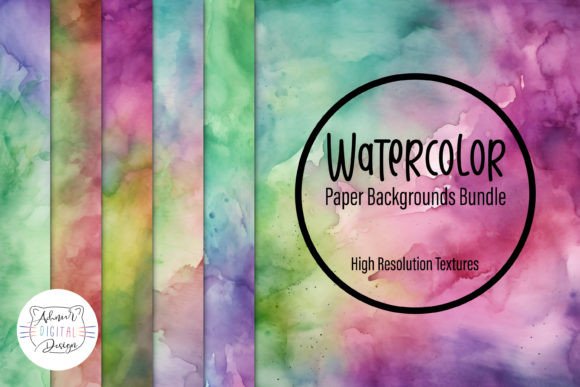
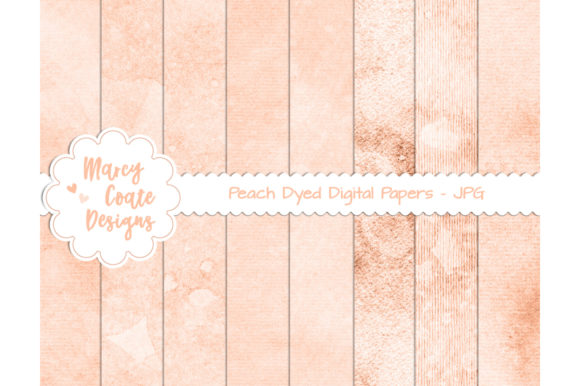
There's a particular warmth to paper that looks like it's lived a little. You know the kind—where color hasn't been applied by a machine but has settled into the fibers in its own organic way. That's the core appeal of Peach Dyed Journal Paper Backgrounds. This isn't a set of uniform, repeating patterns. It's a collection of eight distinct digital papers, each one presenting a unique, softly mottled wash of peach tones. The effect is as though individual sheets of high-quality paper were randomly stained with diluted ink or tea, creating a beautifully imperfect, tactile appearance.
The personality of these backgrounds is soft, inviting, and authentically vintage. The shades of peach range from delicate, almost blush tones to deeper, more saturated terracotta hints, all blended seamlessly. This isn't a harsh digital gradient; it mimics the subtle, unpredictable way color absorbs into natural materials. The visual style leans into the current trend of organic textures and handmade aesthetics in modern typography and design. It feels personal, crafted, and slightly nostalgic without being overly rustic or distressed. It’s a creative font alternative in texture form—offering the same kind of distinctive character you'd seek in a premium font or a carefully chosen display font.
Integrating Peach Textures into Your Brand and Projects
So, where does a background like this actually work? Its versatility is one of its greatest strengths. For brand identity projects, especially for businesses in the wellness, beauty, lifestyle, or artisanal food sectors, these papers can form the tactile foundation of a brand. Imagine a boutique skincare company using one of the patterns as the inner lining for product packaging or as the background for their thank-you cards. It immediately communicates care, quality, and a human touch.
In the realm of editorial design and publishing, these backgrounds are invaluable. They're perfect for the endpapers of a self-published book, the background of a chapter title page in a PDF, or the base layer for a digital magazine's feature spread. For web design, a subtle, desaturated version of one of the papers could work beautifully as a website background, especially for a portfolio site for a photographer, artist, or writer, adding depth without overwhelming the content. The key is to treat it like you would a creative font—use it to set a specific mood and support the hierarchy of your information, not to compete with it.
For the crafter, planner enthusiast, or small business owner creating printables, the applications are nearly endless. They are explicitly designed for junk journals, planner stickers, planner dividers, calendars, gift wrap, cards, and invitations. The 8.5x11 inch, 300 ppi JPG format is print-ready, making them ideal for printing on the back of pattern papers, creating tags, journal cards, or even decorating the inside of envelopes for a special correspondence. They are a foundational design asset for anyone creating physical products.
Practical Considerations for Effective Use
Adopting any new design element requires a bit of strategy. First, consider the visual hierarchy of your project. These backgrounds are textured and have visual interest. Pair them with clean, legible typography. A simple sans serif font or a classic serif font for body text will ensure readability. You might use a complementary script font or handwritten font for headlines to echo the personal, organic feel of the peach-dyed paper. Think of it as a font pairing exercise, but with texture.
Testing is non-negotiable. Before committing, print a sample or view your design on multiple screens. How does the peach tone interact with your chosen text color? Does it affect the readability of smaller text? The warmth of the peach can influence the perception of other colors; blues may appear more vibrant, while greens might take on a more muted, earthy quality. This is where your role as a designer or content creator comes in—evaluate the project fit.
From a practical standpoint, you're getting eight different patterns in one set. This variety allows for coordination without repetition across a project. You could use one pattern for the main background of an invitation suite, another for the RSVP card, and a third for the envelope liner, creating a cohesive yet interesting collection. The commercial licensing is a critical point to verify, but sets like these are typically designed for both personal and commercial use, making them a viable asset for entrepreneurs creating products for sale.
Ultimately, Peach Dyed Journal Paper Backgrounds offer more than just a color. They offer a story, a texture, and a mood. They provide a shortcut to achieving that sought-after handmade, artisanal quality in both digital and print projects. By understanding their visual language and applying them with thoughtful typography and layout, you can elevate your work from simply designed to genuinely felt. It’s about using design assets that carry emotion, helping your brand perception and audience engagement